

Eco-Friendly & Sustainable Promotional Products
Eco-Friendly & Sustainable Promotional ProductsSustainability has moved from a nice-to-have to an expectation. Employees, customers, and community members increasingly notice — and reward — organizations that take environmental responsibility seriously. Eco-friendly promotional products let you extend that commitment into the items you hand out, turning a simple giveaway into a statement about your values.What makes a product "eco-friendly"Sustainable promotional products generally fall into a few categories: items made from recycled materials, items designed for reuse rather than disposal, items made from renewable or biodegradable materials, and items produced through responsible manufacturing. The strongest choices often combine several of these traits — for example, a reusable bottle made from recycled content.Popular sustainable optionsReusable drinkware: Bottles and tumblers that replace single-use plastic.Recycled totes and bags: Made from recycled fabrics and built to be reused.Organic or recycled apparel: Shirts made with organic cotton or recycled fibers.Seed paper and plantable items: Promotional materials that grow into plants.Bamboo and wood products: Renewable-material pens, utensils, and desk items.Reusability beats disposabilityThe single most sustainable promotional strategy is choosing items designed to be used again and again. A reusable bottle or bag that replaces dozens of single-use items has real environmental value — and, conveniently, also delivers far more brand impressions than a disposable giveaway ever could. Sustainability and marketing effectiveness point in the same direction here.Be honest in your messagingIf you promote an item as eco-friendly, make sure the claim holds up. Buyers are savvy about vague "green" labeling. Focus on specific, verifiable traits — recycled content, reusability, responsible materials — rather than broad, unsupported claims. Authenticity protects your brand's credibility.Getting startedYou don't have to overhaul your entire promotional program at once. Start by swapping your highest-volume item for a sustainable alternative — often drinkware or bags — and expand from there. Work with a vendor who can source responsible options and turn around quotes quickly, so making the sustainable choice is also the easy one.Evaluating genuine sustainability claimsNot every "green" label means much. To choose items with real environmental value, look for specifics: verified recycled content percentages, genuinely reusable design, renewable materials like bamboo, or recognized certifications. Be wary of vague marketing language that sounds sustainable but names no concrete trait. The most defensible choices are simple and verifiable — a bottle made from recycled stainless steel, a bag built to be reused hundreds of times — rather than items relying on impressive-sounding but unspecified claims.The marketing advantage of reusable itemsSustainability and brand exposure happen to align beautifully in reusable products. A single-use giveaway delivers one impression and then becomes waste. A reusable bottle or bag delivers impressions every day it's used, for months or years, while keeping disposable items out of circulation. Choosing reusable isn't a trade-off between values and effectiveness — it's a case where doing the responsible thing also happens to be the higher-performing marketing choice.Rolling out a sustainable program graduallyYou don't need to convert everything at once. Start by replacing your single highest-volume item — often drinkware or bags — with a sustainable alternative, measure the response, and expand from there. This phased approach keeps costs manageable and lets you learn which sustainable items resonate most with your audience before committing broadly.Frequently asked questionsAre eco-friendly items more expensive? Sometimes modestly, but reusable items often deliver far more value per impression, offsetting the difference.What's the easiest first swap? Reusable drinkware or recycled-material totes — both are practical, popular, and clearly sustainable.Ready to order? Broadmark Promo offers same-day quotes, no order minimums, and P-card acceptance for government and education buyers. We're an SBE/MWBE-certified vendor. Contact us at [email protected] to get started.

Promotional Products for Nonprofits on a Budget
Promotional Products for Nonprofits on a BudgetNonprofits operate under a constant tension: the need to build awareness and steward relationships, and the responsibility to spend every dollar wisely. Promotional products can serve your mission — rallying volunteers, thanking donors, and spreading your message — but only if you approach them strategically. Here's how to make branded items work hard for a nonprofit budget.Where promotional products pay off for nonprofitsAwareness: Branded shirts, bags, and buttons turn supporters into visible advocates.Donor stewardship: A thoughtful thank-you gift strengthens donor relationships.Events and walks: Custom shirts and signage unify participants and boost visibility.Volunteer recognition: Small items that make volunteers feel appreciated and part of the team.Stretching a limited budgetThe key is prioritization. Rather than spreading a small budget across many item types, concentrate on one or two that deliver the most mission value. For most nonprofits, that's awareness-driving wearables (shirts, totes) and a modest donor thank-you item. Order to your actual event and donor numbers rather than guessing high — no-minimum ordering lets you match quantity to need instead of overbuying.Choosing items that reinforce your missionSustainability-minded organizations naturally gravitate toward reusable, eco-friendly items. Community-service groups often choose practical, everyday items their supporters will genuinely use. When the item reflects your mission, it does double duty — useful in itself and a quiet reinforcement of what you stand for.Make donor gifts feel personalA gift doesn't have to be expensive to feel meaningful. Simple personalization — a supporter's name, a milestone, or a heartfelt message — turns a modest item into a keepsake. What matters to donors is feeling seen, not the price tag.Partnering wiselyLook for a vendor who understands budget-conscious buyers: no order minimums, fast and transparent quotes, and flexibility on quantity. That combination lets your nonprofit get exactly what it needs for each campaign or event without tying up funds you'd rather direct to your mission.Turning supporters into visible advocatesA nonprofit's most powerful marketing asset is often its own supporters. Branded shirts, bags, and buttons transform volunteers and donors into walking, visible advocates for your cause. Every time someone wears your event shirt or carries your tote, they spread awareness at no additional cost to you. This multiplier effect makes wearable items especially valuable for mission-driven organizations working with limited marketing budgets.Using items to deepen donor relationshipsThoughtful gifts play a real role in donor stewardship. A small, well-chosen thank-you item — particularly one personalized with the donor's name or tied to your mission — signals genuine appreciation and helps sustain long-term relationships. The goal isn't to impress with expense; it's to make supporters feel seen and connected to the cause. A modest, meaningful item often does that better than a costly one.Fundraising with branded merchandiseBeyond awareness and thanks, promotional items can generate revenue. Selling branded shirts, tumblers, or bags at events or online builds community while raising funds. The key is managing risk: test demand with a small no-minimum run before committing to a large order, so you don't tie up scarce funds in unsold inventory. Start conservative, learn what sells, then scale the winners.Frequently asked questionsHow do we avoid overspending? Concentrate your budget on one or two high-impact item types and order to actual event and donor numbers rather than guessing high.Can we order small quantities? Yes — no-minimum ordering lets you match quantity precisely to each campaign or event.Ready to order? Broadmark Promo offers same-day quotes, no order minimums, and P-card acceptance for government and education buyers. We're an SBE/MWBE-certified vendor. Contact us at [email protected] to get started.

Promotional Products for Government Agencies: Working with SBE/MWBE Certified Vendors
Promotional Products for Government Agencies: Working with SBE/MWBE Certified VendorsGovernment agencies buy promotional products constantly — for community outreach, public safety campaigns, employee recognition, recruitment, and countless events. When those purchases go to certified small, minority-, and woman-owned businesses, agencies advance supplier-diversity goals while meeting real operational needs. Understanding how to work with SBE/MWBE-certified vendors makes both goals easier to hit.What SBE and MWBE certifications meanSBE (Small Business Enterprise) and MWBE (Minority/Woman Business Enterprise) certifications verify that a business meets defined ownership and size criteria. For government buyers, working with certified vendors often counts toward supplier-diversity targets and demonstrates a commitment to inclusive procurement. The certification does the verification work for you — you can trust that a certified vendor has been vetted.Why it matters for promotional purchasesMany promotional product buys fall below formal bid thresholds and can be handled quickly at the program level. That makes them an ideal category for directing spend toward certified vendors — you meet a genuine need and support diversity goals in a single, low-friction transaction, without a lengthy solicitation process.What to look for in a vendorRelevant certifications: Current SBE and/or MWBE status.Purchasing-card acceptance: Essential for fast, documented small purchases.Fast quotes: Same-day turnaround keeps time-sensitive campaigns on schedule.No order minimums: Flexibility to order exactly what a program needs.Clear documentation: Itemized quotes and receipts for your records.Making the process smoothKeep your artwork and specifications ready so vendors can quote quickly. Confirm your agency's small-purchase and P-card thresholds so program staff know what they can handle directly. And build a relationship with a reliable certified vendor rather than starting from scratch each time — a known, responsive partner saves time on every order.The win-winSourcing promotional products from an SBE/MWBE-certified vendor lets your agency get quality items quickly while advancing supplier-diversity commitments. When that vendor also offers P-card acceptance, fast quotes, and no minimums, the entire process becomes as efficient as it is values-aligned.How certification streamlines procurementCertification does verification work so your agency doesn't have to. When a vendor holds current SBE or MWBE status, their eligibility as a small or diverse business has already been confirmed by the certifying body. That means program staff can direct qualifying spend toward diversity goals with confidence, without conducting their own vetting. Paired with small-purchase rules, this makes it remarkably efficient to meet a real need and advance supplier-diversity commitments in a single transaction.Common promotional needs across agenciesGovernment promotional purchases span a wide range of program needs: community outreach materials, public safety and health campaign items, recruitment giveaways, employee recognition, and event supplies. Because these needs recur across departments and throughout the year, they represent a steady, reliable channel for directing spend toward certified vendors. Recognizing the pattern helps agencies build it into routine practice rather than treating each buy as a one-off.Building an efficient repeat relationshipThe biggest efficiency gain comes from establishing a relationship with a reliable certified vendor rather than sourcing cold each time. A vendor who already knows your brand standards, accepts your purchasing card, and responds quickly turns each order into a short, familiar exchange. Over time, this relationship saves significant staff time while consistently supporting diversity goals — a compounding benefit that one-off purchasing can't match.Frequently asked questionsDoes certified spend count below the bid threshold? In many agencies, yes — diverse-vendor spend is often tracked across all purchase sizes.What makes a certified vendor easy to work with? P-card acceptance, same-day quotes, no minimums, and clear documentation.Ready to order? Broadmark Promo offers same-day quotes, no order minimums, and P-card acceptance for government and education buyers. We're an SBE/MWBE-certified vendor. Contact us at [email protected] to get started.

Trade Show Giveaways That Actually Get Used
Trade Show Giveaways That Actually Get UsedEvery trade show floor is littered with giveaways destined for the hotel trash can. Stress balls, flimsy pens, cheap keychains — items grabbed out of politeness and abandoned by the exit. If you're spending money on trade show swag, the goal isn't just to hand something out. It's to hand out something people keep, use, and associate with your brand for months afterward.The problem with typical swagLow-cost, low-quality giveaways feel like a bargain when you're ordering in bulk, but they deliver almost no return. If an item gets tossed within the hour, you've paid for a brief moment of visibility and nothing more. The math changes completely when the item earns a permanent place on someone's desk, in their bag, or in their kitchen.Giveaways that survive the trip homeQuality drinkware: A good tumbler or water bottle gets daily use and constant brand exposure.Useful tech: Charging cables, power banks, and phone stands are always welcome.Reusable bags: A sturdy tote does double duty — carrying show materials and traveling home.Notebooks and pens people like: A genuinely nice pen or notebook gets used, not tossed.Practical everyday items: Sunglasses, lip balm, hand sanitizer, and similar carry-alongs.Make the item match your audienceThe best giveaway depends on who's walking your show floor. A tech conference audience values gadgets. An outdoor or wellness event rewards practical, active-lifestyle items. Think about what your specific attendees will actually reach for, not just what's cheapest to order in bulk.Tiered giveaways for better leadsConsider offering a small item to everyone and a premium item to qualified leads who share contact information or take a meeting. This rewards genuine interest with something memorable while keeping your overall spend under control.Don't forget lead time and quality controlCustom items take time to produce and decorate, so order well ahead of your event date. Request a sample or proof when possible so there are no surprises. And work with a vendor who offers fast quotes and no minimums, so you can order the right quantity for your booth traffic without overcommitting.Calculating the real cost of a giveawayThe sticker price of an item tells only part of the story. The metric that matters is cost per lasting impression. A one-dollar item that's discarded within the hour delivers a single fleeting impression. A five-dollar tumbler used daily for a year delivers hundreds. When you reframe giveaways this way, spending a bit more on a quality item that survives the trip home is almost always the better investment. Cheap-in-bulk often turns out to be expensive per result.Tying the giveaway to a booth experienceA giveaway works even harder when it's part of an experience rather than a passive handout. Requiring a quick conversation, a demo, or a contact exchange to receive the premium item filters for genuine interest and gives your team a natural reason to engage. A small item can be freely available to draw people in, while the memorable item rewards the interactions that actually matter. This turns swag from a giveaway into a lead-generation tool.Logistics that make or break the dayEven the best giveaway fails if it arrives late or in the wrong quantity. Estimate booth traffic realistically, order with production and shipping lead time built in, and request a proof so there are no surprises. Consider how items will be stored and displayed at the booth — an appealing presentation encourages people to take (and keep) the item. Small operational details separate a smooth show from a stressful one.Frequently asked questionsWhat's the single best trade show giveaway? There isn't one — the best item matches your specific audience. Tech crowds value gadgets; active audiences value practical gear.How many should we order? Base it on expected qualified traffic, not total attendance, especially for premium items reserved for real leads.Ready to order? Broadmark Promo offers same-day quotes, no order minimums, and P-card acceptance for government and education buyers. We're an SBE/MWBE-certified vendor. Contact us at [email protected] to get started.
Best Promotional Products for Employee Appreciation
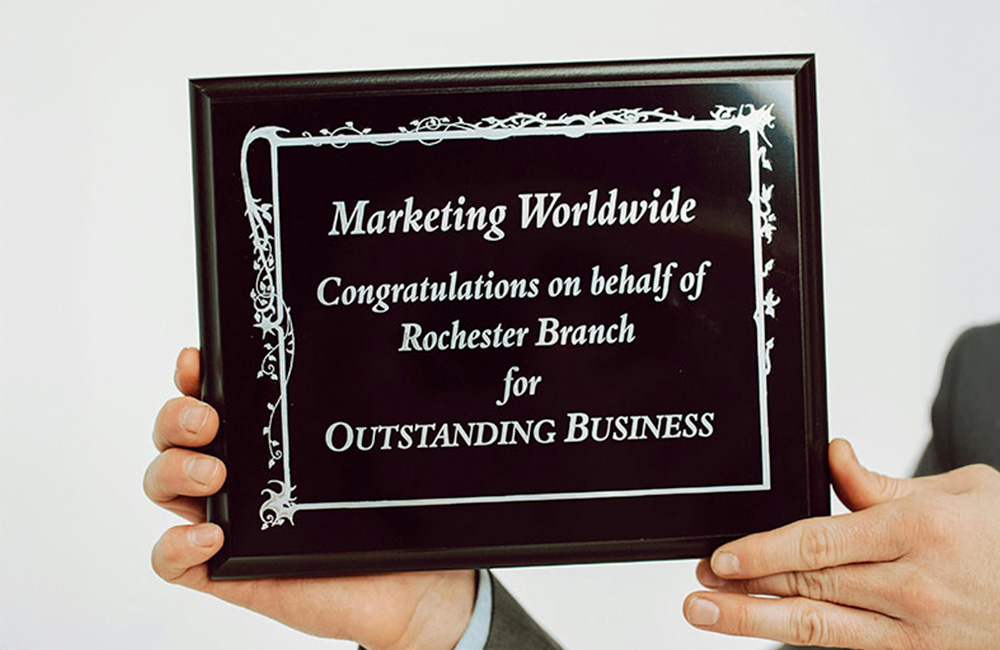
Best Promotional Products for Employee AppreciationEmployee appreciation isn't just a nice gesture — it's one of the most reliable drivers of morale, retention, and workplace culture. And while recognition can take many forms, a well-chosen branded gift gives your appreciation something tangible. The key word is well-chosen. A cheap item people throw away sends the wrong message. A quality gift they actually use every day reinforces that the organization values them.What makes an appreciation gift workThe best employee gifts share three traits: they're useful, they're good quality, and they don't feel like leftover marketing swag. When someone receives an item they'd happily buy for themselves, appreciation lands. When they receive a flimsy freebie, it can quietly do the opposite.Top categories for employee appreciationPremium drinkware: Insulated tumblers and water bottles are used daily and read as genuinely valuable.Quality apparel: Soft, well-fitting jackets, polos, or hoodies that people wear beyond the office.Desk and tech items: Wireless chargers, quality notebooks, and organizers.Bags: Backpacks and totes that are sturdy enough for real use.Wellness items: Fitness gear, cozy blankets, and self-care kits.Match the gift to the occasionA company-wide appreciation week calls for a consistent, budget-friendly item everyone receives. A work anniversary or standout achievement calls for something a bit more premium and personal. New-hire welcome kits are a chance to make a strong first impression with a small bundle of branded essentials. Thinking about the occasion first helps you choose the right item and the right spend.Personalization goes a long wayAdding a name, a milestone year, or a short message turns a branded item into a keepsake. Even simple personalization signals that thought went into the gift rather than a bulk order dropped on everyone's desk.Budgeting smartlyYou don't need a huge budget to make appreciation feel real — you need to spend it on the right items. One quality tumbler beats three forgettable trinkets. Work with a vendor who offers no minimums, so you can order exactly the quantity your team needs, and who can turn around a quote quickly when appreciation season sneaks up on you.Timing appreciation for maximum impactWhen you give a gift matters almost as much as what you give. Recognition delivered right after a big project wraps, at a work anniversary, or during a genuinely stressful stretch lands far harder than a gift handed out on an arbitrary date. Build a simple calendar of appreciation moments — anniversaries, appreciation week, project milestones, holidays — so recognition feels intentional and timely rather than routine. Consistency signals that appreciation is part of your culture, not an afterthought.Bundling items into welcome and milestone kitsA single item is nice; a thoughtfully assembled kit feels like an occasion. New-hire welcome kits combining a quality tumbler, a soft branded shirt, a notebook, and a pen make a strong first impression and help people feel part of the team from day one. Milestone kits for five- or ten-year anniversaries can step up in quality to mark the achievement. Bundling also lets you order components at sensible quantities and assemble kits as needed.Balancing consistency and personalizationCompany-wide gifts work best when everyone receives the same quality item — nothing undercuts appreciation like visible tiers for a shared occasion. But for individual recognition, personalization elevates the gesture: a name, a milestone year, or a short message turns a standard item into something kept and valued. The art is knowing when uniformity matters (shared moments) and when personalization matters (individual achievement).Frequently asked questionsHow much should we spend per employee? There's no fixed rule — one quality item almost always beats several cheap ones. Set a per-person budget and choose the best single item it allows.Can we order small quantities for a small team? Yes, with a no-minimum vendor you can order for a team of ten as easily as a company of hundreds.Ready to order? Broadmark Promo offers same-day quotes, no order minimums, and P-card acceptance for government and education buyers. We're an SBE/MWBE-certified vendor. Contact us at [email protected] to get started.

How to Choose the Right Promotional Products Supplier
How to Choose the Right Promotional Products SupplierThe item matters, but so does who you order it from. The right promotional products supplier makes the whole process fast and painless; the wrong one leaves you chasing quotes, wrestling with minimums, and hoping the quality shows up as promised. Here's how to tell the difference before you commit.Responsiveness and quote speedPromotional needs are often time-sensitive — an event date doesn't move because a supplier was slow to reply. A supplier who turns quotes around the same day, answers questions clearly, and communicates proactively is worth far more than one offering a slightly lower price with a slower response. Speed and clarity are signals of how the whole relationship will go.Order minimums and flexibilitySome suppliers force large minimum orders that leave you overbuying. A supplier who offers no minimums lets you order exactly what you need — a small batch for a team or a large run for an event — without waste. Flexibility on quantity is one of the clearest signs a supplier is built around your needs rather than their convenience.Pricing transparencyLook for itemized quotes that show the base item, decoration, setup charges, and shipping. Transparency lets you compare fairly and avoid surprises. A lump-sum number with no breakdown is a red flag — a trustworthy supplier is happy to show you what you're paying for.Product quality and selectionRange: Access to a broad catalog so you're not forced into whatever's on hand.Quality: Items that hold up, with samples or proofs available when it matters.Decoration: Durable, clean decoration that survives real-world use.Payment and buyer-specific needsFor government and education buyers, purchasing-card acceptance is essential — it keeps small purchases fast and documented. Certifications like SBE and MWBE matter too, supporting supplier-diversity goals. The best supplier for you is one that fits how your organization actually buys.The bottom lineChoose a supplier who is responsive, flexible on quantity, transparent on price, reliable on quality, and easy to pay. When those pieces line up, ordering promotional products stops being a chore and becomes a quick, dependable part of getting your work done.Red flags to watch forA few warning signs reliably predict a frustrating experience. Slow or vague responses to quote requests signal how the whole project will go. Lump-sum pricing with no breakdown hides where your money goes and makes fair comparison impossible. Rigid, high minimum orders reveal a supplier built around their convenience rather than your needs. And reluctance to provide proofs or samples suggests they'd rather you not scrutinize quality too closely. Spotting these early saves you from a bad partnership.Questions worth asking up frontBefore committing, ask a few pointed questions. Can you turn a quote around today? Are there order minimums? Can I see an itemized quote and a proof before production? Do you accept purchasing cards? What decoration method do you recommend for my item and quantity, and why? The answers reveal not just capabilities but attitude — whether the supplier is oriented around solving your problem or simply processing an order.Why the relationship matters long-termFor any organization that orders promotional products more than once, the real value is a dependable ongoing relationship. A supplier who knows your brand standards, keeps your artwork on file, and responds quickly turns every future order into a fast, low-effort exchange. That reliability compounds over time and is worth far more than a marginally lower price from a supplier you have to manage closely on every job.Frequently asked questionsWhat's the single most important trait? Responsiveness — a fast, clear supplier makes everything else easier.How do I compare quotes fairly? Insist on itemized quotes so you're comparing the same components, not mismatched lump sums.Ready to order? Broadmark Promo offers same-day quotes, no order minimums, and P-card acceptance for government and education buyers. We're an SBE/MWBE-certified vendor. Contact us at [email protected] to get started.

Custom Tote Bags & Reusable Bags for Events
Custom Tote Bags & Reusable Bags for EventsCustom tote bags are one of the most effective promotional products you can order — and it's easy to see why. They're useful, highly visible, affordable, and they travel. A branded tote doesn't get stuffed in a drawer; it gets carried to the grocery store, the office, the beach, and the next event, delivering brand impressions everywhere it goes.Why bags outperform many giveawaysA tote bag is essentially a mobile billboard. Every time someone carries it, your logo is on display in public. Compared to a giveaway that gets used privately or discarded, a bag's visibility compounds. Add in the shift away from single-use plastic bags, and reusable totes have become genuinely practical items people are glad to receive.Popular styles and when to use themCotton and canvas totes: A classic, sturdy look ideal for everyday reuse and premium events.Non-woven totes: Budget-friendly and great for large-scale event giveaways.Drawstring bags: Lightweight and popular for schools, sports, and active events.Grocery and shopping totes: Reusable bags that see constant real-world use.Materials and durabilityMatch the material to the use. Heavier cotton and canvas signal quality and hold up to years of use — a good fit when the bag itself is part of the impression. Lighter non-woven materials keep costs down for high-volume giveaways where reach matters more than premium feel. Recycled-material options let you align the item with sustainability goals.Design for maximum visibilityBecause bags are seen at a distance, bold, simple designs work best. A clean logo and a strong color contrast read clearly across a room or down the street. Consider both sides of the bag for extra imprint area, and keep the design legible rather than crowded.Ordering for your eventEstimate quantity based on expected attendance, and order ahead to allow for production and decoration. Work with a vendor who offers no minimums, so you can size the order to your event, provides fast quotes, and accepts purchasing cards for government and education buyers.Choosing the right bag for the jobBag selection should follow function. Heavy cotton and canvas totes feel premium and hold up to years of real use, making them ideal when the bag itself is part of the impression — conference gifts, retail-style totes, or items you want carried long-term. Lightweight non-woven totes keep costs low for large event giveaways where reach matters more than durability. Drawstring bags suit schools, sports, and active settings. Matching the bag type to how it'll be used prevents both overspending and disappointment.Maximizing brand exposureBecause totes are seen in public and at a distance, design choices should prioritize legibility. Bold logos, strong color contrast, and uncluttered layouts read clearly across a room or down a sidewalk. Using both sides of the bag doubles your imprint real estate. Unlike items used privately, a tote broadcasts your brand everywhere it travels — so the design should be built to be recognized quickly, not studied up close.Sustainability as a selling pointReusable bags carry a built-in sustainability story. As single-use plastic bags fade out, a durable reusable tote is both practical and a quiet statement of environmental responsibility. Choosing recycled-material options strengthens that message further. For organizations with sustainability goals, a well-made reusable bag aligns marketing reach with genuine environmental value.Frequently asked questionsWhich bag is most cost-effective for big events? Non-woven totes offer the best balance of low cost and reusability at high volume.Can we order a small premium run? Yes — no-minimum ordering covers both large giveaway runs and small premium batches.Ready to order? Broadmark Promo offers same-day quotes, no order minimums, and P-card acceptance for government and education buyers. We're an SBE/MWBE-certified vendor. Contact us at [email protected] to get started.

Custom Promotional Products with No Minimum Order
Custom Promotional Products with No Minimum OrderNot every organization needs a thousand branded pens. Sometimes you need two dozen shirts for a small team, fifty tote bags for a single event, or a short run of custom mugs for new-hire welcome kits. Traditional promotional product suppliers often set high minimum order quantities that make small runs impossible or absurdly expensive per unit. No-minimum ordering changes that.What "no minimum" really meansA true no-minimum policy means you can order the quantity you actually need — whether that's 12 items or 1,200 — without being forced to buy more than you'll use. It doesn't mean pricing is identical at every quantity; smaller runs naturally cost more per unit because setup costs are spread across fewer pieces. But it does mean you're never stuck buying inventory you'll toss.When no-minimum ordering makes senseSmall teams and departments: Apparel or drinkware for a group of 10–50 people.One-off events: A single community fair, workshop, or open house.Pilot runs: Testing a new design or item before committing to a large order.Recognition gifts: A handful of awards or thank-you items for standout staff.Seasonal touches: Small holiday or milestone gifts for clients or employees.Understanding the pricing trade-offCustom decoration has fixed setup costs — screens for screen printing, digitizing for embroidery, and so on. On a large order, those costs disappear into the per-unit price. On a small order, they're more visible. That's normal. The value of no-minimum ordering isn't the lowest possible per-unit price; it's the ability to get exactly what you need without waste. For many buyers, ordering 30 quality items beats ordering 300 and storing 270 of them for years.How to get the most from a small orderChoose decoration methods suited to small runs. Ask your vendor which options minimize setup costs at low quantities. Keep your design simple — fewer colors often means lower cost. And provide clean logo files up front to avoid art charges and delays.Finding the right partnerLook for a supplier who states clearly that there are no order minimums, provides fast quotes, and accepts purchasing cards for government and education buyers. That combination — flexibility, speed, and easy payment — is what makes small custom orders actually painless.How small runs are producedUnderstanding production helps explain why no-minimum ordering is possible. Some decoration methods are naturally suited to short runs. Direct-to-garment printing and digital printing, for instance, don't require the physical screens that screen printing does, so they handle small quantities economically. Laser engraving and heat transfer similarly work well at low volumes. When you request a small order, a good vendor selects the method that keeps your per-unit cost reasonable rather than defaulting to a high-setup process.When to size up and when to hold backNo minimum doesn't mean you should always order the smallest possible quantity. If you know an item will be reordered — a staple like branded pens or a popular shirt — a slightly larger run can lower the per-unit cost meaningfully. The skill is distinguishing predictable, recurring needs (worth ordering a bit more) from one-off or uncertain needs (worth ordering exactly what's required). A vendor who shows you pricing at a few quantity breaks helps you make that call with real numbers.Getting quality right on a small orderSmall orders deserve the same quality attention as large ones. Request a proof or digital mockup before production so you can confirm placement, color, and sizing. Supply clean, high-resolution artwork to get the best decoration result. And don't hesitate to ask about the specific garment or item quality — even at low quantities, you want something that reflects well on your organization.Frequently asked questionsWill a small order cost more per unit? Usually yes, because setup costs are spread over fewer pieces — but you avoid the far greater waste of overbuying.Can I reorder the same design later? Yes. Keeping your artwork on file with your vendor makes reorders quick and consistent.Is there a fastest option for small rush orders? Digital and heat-transfer methods often turn around quickly; ask your vendor about timelines.Ready to order? Broadmark Promo offers same-day quotes, no order minimums, and P-card acceptance for government and education buyers. We're an SBE/MWBE-certified vendor. Contact us at [email protected] to get started.

Custom Branded Apparel for Your Organization
Custom Branded Apparel for Your OrganizationFew promotional items work as hard as branded apparel. A logo on a shirt, polo, or jacket turns every wearer into a visible ambassador for your organization — at events, around the community, and in everyday life. Whether you're outfitting a team, creating event shirts, or building a uniform program, custom apparel is one of the highest-impact investments you can make.Choosing the right garmentStart with how the apparel will be used. Event giveaways call for comfortable, budget-friendly t-shirts. Staff-facing roles often need polos or button-downs that look professional. Cooler climates or outdoor work call for hoodies, fleece, and jackets. Caps and beanies round out a program and work well as add-ons. Matching the garment to the setting matters as much as the design on it.Decoration methods explainedScreen printing: Cost-effective for larger runs and bold, few-color designs.Embroidery: A premium, durable look ideal for polos, caps, and jackets.Heat transfer / DTG: Great for detailed or full-color designs and smaller quantities.The right method depends on your design, garment, and quantity. A good vendor will recommend the option that balances appearance, durability, and cost for your specific job.Getting sizing rightSizing is where apparel orders go wrong. Collect sizes up front whenever you can, and build in a few extras across the size range for latecomers. For larger groups, ordering a spread that reflects real-world size distribution — rather than an even split — reduces waste and shortages.Design tips that hold upKeep designs clean and legible. Consider where the decoration sits — left chest, full front, or back — based on how visible you want it. Simple, high-contrast logos reproduce well across garment colors. And supply high-resolution artwork to avoid delays and art charges.Ordering without the headachesApparel decoration takes time, so plan seasonal and event orders ahead. Work with a vendor who offers no minimums so small teams aren't forced into oversized orders, provides fast quotes, and accepts purchasing cards for government and education buyers. That combination makes outfitting your organization straightforward.Fabric and fit matter more than you thinkThe difference between apparel people wear and apparel people avoid usually comes down to fabric and fit. A scratchy, boxy shirt stays in the drawer no matter how nice the logo; a soft, well-cut one becomes a favorite. When quality and repeat wear matter — staff apparel, appreciation gifts, premium spirit wear — invest in better blanks. For high-volume event giveaways where reach is the goal, a more economical garment is a reasonable trade-off. Match the garment quality to how you want it worn.Placement and design that reads wellWhere the decoration sits changes how the apparel functions. A subtle left-chest logo reads as professional and works for staff wear. A bold full-front or back design maximizes visibility for events and teams. Consider contrast, too — a design needs to stand out against the garment color from a distance. Simple, high-contrast artwork reproduces cleanly across many garment colors, while intricate multi-color designs may need a specific decoration method to look right.Managing a repeat apparel programOrganizations that reorder apparel regularly benefit from standardizing on a few reliable garments and keeping artwork on file. This makes reorders fast and keeps your look consistent across seasons and departments. Collecting sizes through a simple form, and ordering a realistic size distribution rather than an even split, reduces both shortages and leftover inventory over time.Frequently asked questionsEmbroidery or screen printing? Embroidery suits polos, caps, and jackets and reads as premium; screen printing is cost-effective for bold designs on larger runs; digital methods handle detailed or small orders.Can we order a small batch for one team? Yes — a no-minimum vendor lets you outfit a small group without an oversized order.Ready to order? Broadmark Promo offers same-day quotes, no order minimums, and P-card acceptance for government and education buyers. We're an SBE/MWBE-certified vendor. Contact us at [email protected] to get started.

Corporate Gifts vs. Promotional Products: What's the Difference?
Corporate Gifts vs. Promotional Products: What's the Difference?The terms "corporate gifts" and "promotional products" get used interchangeably, but they serve different purposes — and understanding the distinction helps you choose the right item, set the right budget, and hit the right tone. Both involve branded or thoughtfully selected items, but the intent behind them differs in ways that matter.Promotional products: visibility and reachPromotional products are primarily marketing tools. Their job is to spread your brand, generate impressions, and keep your name in front of people. Think event giveaways, trade show swag, and branded items handed out at scale. The emphasis is on your logo, broad distribution, and cost-effective per-unit pricing. Success is measured in exposure and reach.Corporate gifts: relationship and appreciationCorporate gifts are relationship tools. Their job is to make a specific person — a client, a partner, a valued employee — feel appreciated. Here, quality and thoughtfulness matter more than volume, and heavy branding can actually undercut the gesture. A premium item with subtle or no logo often lands better than a heavily branded one. Success is measured in goodwill and strengthened relationships.How to tell which one you needChoose promotional products when: You want maximum brand exposure, you're distributing at scale, and cost-per-unit is a priority.Choose corporate gifts when: You're recognizing specific people, the relationship matters more than reach, and quality signals your regard.Where they overlapThe line isn't always sharp. A premium branded tumbler given to top clients blurs both categories — it carries your brand and functions as a genuine gift. Employee appreciation items often sit in this middle ground too. The useful question isn't which label applies, but what outcome you want: broad visibility, or a strengthened individual relationship.Getting the tone rightMatch the item and the branding to the intent. Loud logos and bulk pricing for reach; quiet quality and personalization for relationships. A good vendor can help you calibrate both — and offers the no-minimum flexibility to order a large promotional run or a small batch of premium gifts with equal ease.How branding intensity should changeOne of the clearest practical differences between the two categories is how prominently your logo appears. Promotional products are meant to broadcast your brand, so bold, visible logos are the point. Corporate gifts are meant to honor a relationship, and heavy branding can make a gift feel like an advertisement rather than a genuine gesture. For gifts, subtle branding — a small, tasteful mark, or even packaging rather than the item itself — often lands far better and shows more thought.Budgeting differently for eachThe two categories reward opposite budgeting logic. Promotional products optimize for reach: lower cost per unit lets you put your brand in more hands. Corporate gifts optimize for impact on specific people: fewer recipients, higher quality per gift. Trying to apply promotional-product budgeting to gifts (cheap, high volume) undermines the gesture, while applying gift budgeting to promotional products (premium, low volume) wastes reach. Knowing which goal you're serving keeps your spending aligned with your intent.Using both in a coordinated programSophisticated organizations use both deliberately. Broad promotional items build awareness at events and in the community, while a smaller set of premium gifts nurtures key clients, partners, and standout employees. Coordinated visually, the two reinforce a single brand while serving distinct goals. The question is never which to use exclusively, but how to deploy each for its strength.Frequently asked questionsCan one item serve both purposes? Sometimes — a premium branded tumbler for top clients blurs the line. But be clear about your primary goal so the item and branding fit it.Should gifts always be personalized? Personalization strengthens gifts meaningfully, while promotional products rarely need it.Ready to order? Broadmark Promo offers same-day quotes, no order minimums, and P-card acceptance for government and education buyers. We're an SBE/MWBE-certified vendor. Contact us at [email protected] to get started.

How Much Do Promotional Products Cost? A Pricing Guide
How Much Do Promotional Products Cost? A Pricing Guide"How much will this cost?" is the first question most buyers ask about promotional products — and the honest answer is: it depends. Pricing varies widely based on the item, the quantity, the decoration, and the turnaround. But once you understand the handful of factors that drive cost, you can budget confidently and spot good value when you see it.The main factors that drive priceThe item itself: A basic pen and a premium insulated tumbler occupy very different price ranges.Quantity: Per-unit cost generally drops as quantity rises, because setup costs are spread across more pieces.Decoration: The method (screen print, embroidery, engraving), number of colors, and number of imprint locations all affect price.Turnaround: Standard production is most economical; rush orders carry premiums.Why quantity changes everythingCustom decoration involves fixed setup costs — creating screens, digitizing artwork, programming engravers. On a large order, those costs are spread thin and nearly disappear from the per-unit price. On a small order, they're more visible. This is why the same item can have a very different per-unit price at 25 pieces versus 500. It's not a markup game; it's the math of setup costs.Understanding quotesA good quote itemizes what you're paying for: the base item, decoration, any setup charges, and shipping. Watch for one-time setup or art charges, which are normal but worth knowing about up front. If a quote is a single lump number with no breakdown, ask for detail — transparency is a sign of a vendor worth working with.Getting the best valueValue isn't the same as lowest price. Ordering 300 forgettable items you'll never fully use isn't a bargain. Choosing the right item, in the right quantity, with durable decoration, is. Simplify your design where you can (fewer colors, one imprint location), provide clean artwork to avoid art charges, and plan ahead to skip rush fees.Get a real number fastThe fastest way to answer "how much?" is a quick quote on your specific item and quantity. Work with a vendor who turns quotes around the same day, offers no minimums, and accepts purchasing cards — so you can go from question to order without delay.Setup and art charges, explainedTwo line items surprise first-time buyers: setup charges and art charges. Setup charges cover the one-time work of preparing decoration — creating a screen, digitizing a logo for embroidery, or programming an engraver. They're normal and typically apply once per design. Art charges may appear if your logo needs cleanup or recreation to be production-ready. Both are avoidable or minimized by supplying clean, high-resolution artwork up front. A transparent vendor lists these clearly so nothing is hidden in the total.Building a realistic budgetTo budget well, start with the outcome you want rather than a price. Decide the item, the quantity you'll actually use, and the decoration, then get a quote on that specific combination. Working backward from a fixed dollar figure often leads to buying too many of a cheap item; working forward from your real need leads to the right item at the right quantity. If budget is tight, adjust the item or simplify the decoration rather than inflating quantity.Where you can save without cutting qualitySeveral levers lower cost without hurting the result: simplify the design to fewer colors, use a single imprint location, provide print-ready artwork to avoid art charges, and order on standard production timelines to skip rush fees. These choices trim cost while keeping the item's quality and impact intact — far better than chasing savings by buying a flimsier product.Frequently asked questionsWhy does the per-unit price drop at higher quantities? Fixed setup costs are spread across more pieces, lowering the cost of each one.How fast can I get a quote? With the right vendor, the same day — provide the item, quantity, and decoration details to speed it up.Ready to order? Broadmark Promo offers same-day quotes, no order minimums, and P-card acceptance for government and education buyers. We're an SBE/MWBE-certified vendor. Contact us at [email protected] to get started.
Custom Water Bottles, Tumblers & Drinkware for Branding
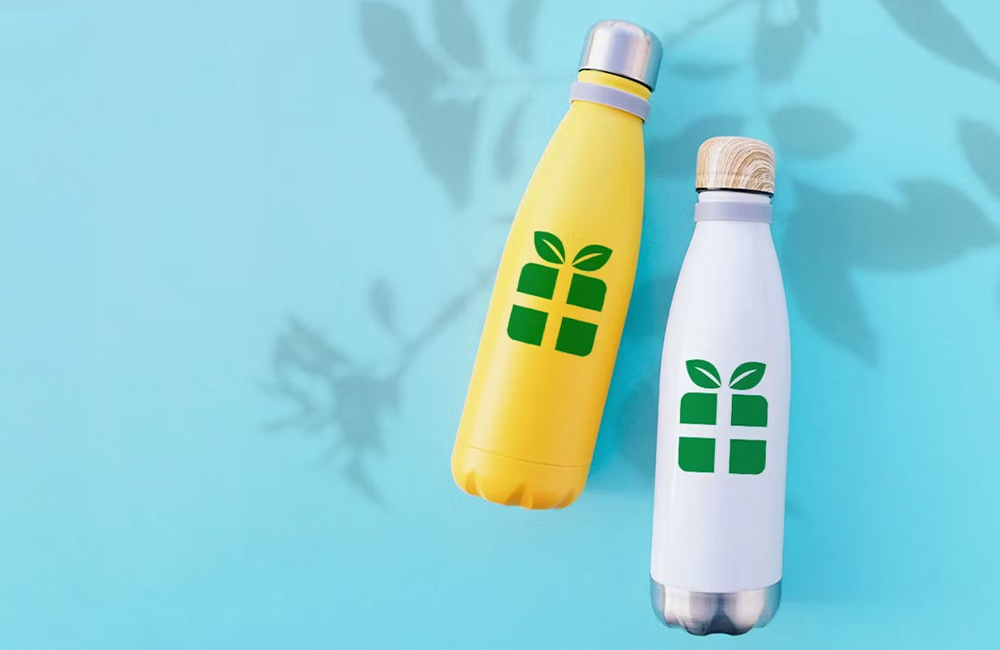
Custom Water Bottles, Tumblers & Drinkware for BrandingIf you want a promotional item that people actually keep and use every single day, it's hard to beat drinkware. Custom water bottles and tumblers land in the sweet spot of promotional products: genuinely useful, highly visible, and available at price points for almost any budget. That's why drinkware consistently ranks among the most requested and most effective branded items.Why drinkware works so wellA branded bottle or tumbler travels everywhere — the office desk, the gym, the car, the kids' soccer game. Each of those settings is a brand impression. Unlike a giveaway that gets used once and discarded, quality drinkware earns repeated, daily exposure over months or years. Few items deliver that kind of sustained visibility per dollar.Choosing the right styleInsulated stainless tumblers: A premium feel that reads as a genuine gift — great for staff and clients.Water bottles: Everyday hydration; ideal for events, schools, and fitness settings.Coffee mugs and travel mugs: Perfect for office and commuter audiences.Budget bottles: Cost-effective options for large events and giveaways.Materials matterStainless steel signals quality and durability and supports insulation. BPA-free plastics keep costs down for large runs. Glass and specialty materials offer a distinctive, upscale look. Match the material to your audience and budget — a premium tumbler for employee appreciation, a lighter bottle for a community event giveaway.Decoration that lastsBecause drinkware gets washed and handled constantly, decoration durability matters. Laser engraving offers a permanent, upscale finish on metal. Printing allows for full color. Ask your vendor which method holds up best on the specific item you choose — the last thing you want is a logo that fades after a few washes.Ordering tipsConsider your quantity and timeline. Drinkware is popular, so plan seasonal orders ahead. Work with a vendor who offers no minimums — so you can order a small batch for a team or a large run for an event — provides fast quotes, and accepts purchasing cards for government and education buyers.Matching drinkware to your audienceThe right drinkware depends on who's receiving it. For employee appreciation or client gifts, a premium insulated stainless tumbler reads as a genuine, valuable gift. For a large community event or school giveaway, a lighter, more economical bottle makes better budget sense while still delivering daily-use visibility. For office and commuter audiences, travel mugs hit the mark. Thinking about the recipient first — rather than defaulting to whatever's cheapest — ensures the item actually gets used and appreciated.Why decoration durability is criticalDrinkware faces conditions most promotional items never encounter: repeated washing, daily handling, and constant temperature changes. That makes decoration durability especially important. Laser engraving on stainless steel produces a permanent, upscale mark that never fades. High-quality printing allows full color but should be confirmed as dishwasher-durable. Ask your vendor which method holds up best on your chosen item — a logo that peels or fades after a few washes undermines the whole investment.The long-term brand mathDrinkware's value comes from repetition. A tumbler that sits on a desk and travels to the gym for a year delivers a stream of brand impressions no single-use item can match. When you calculate cost per impression rather than cost per piece, quality drinkware consistently ranks among the most efficient promotional investments available — which is exactly why it stays in such high demand.Frequently asked questionsEngraving or printing? Engraving is permanent and premium on metal; printing allows full color. Choose based on the item and desired look.Can we order a small batch? Yes — no-minimum ordering covers everything from a small team run to a large event order.Ready to order? Broadmark Promo offers same-day quotes, no order minimums, and P-card acceptance for government and education buyers. We're an SBE/MWBE-certified vendor. Contact us at [email protected] to get started.